Signs It Is Time for a Door Knob Lock Replacement
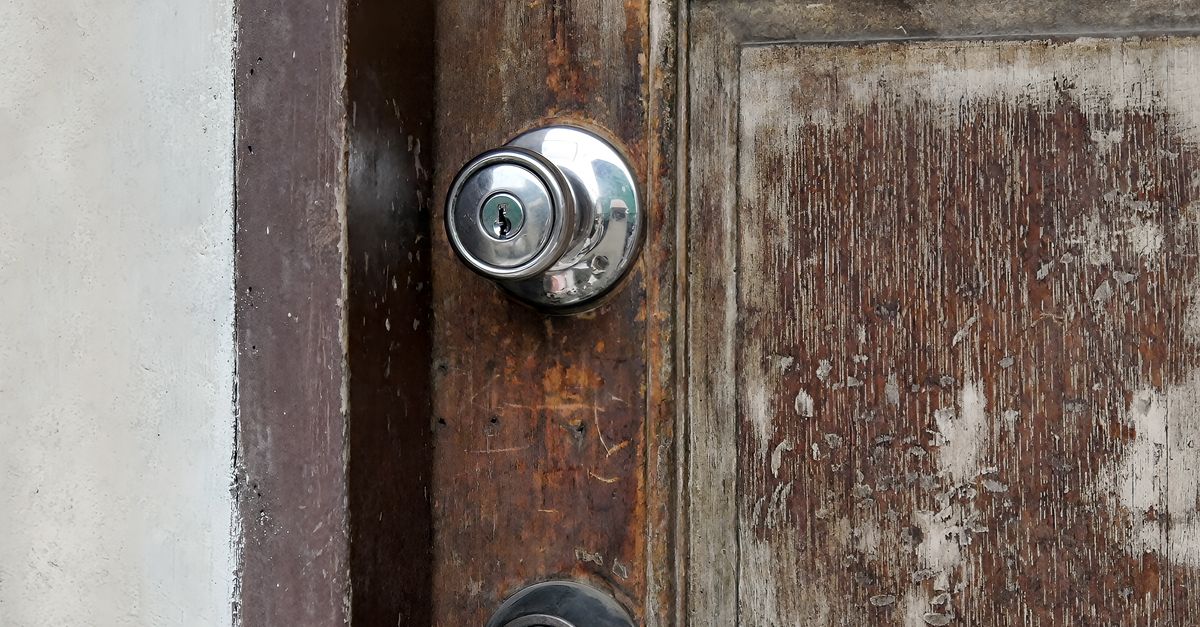
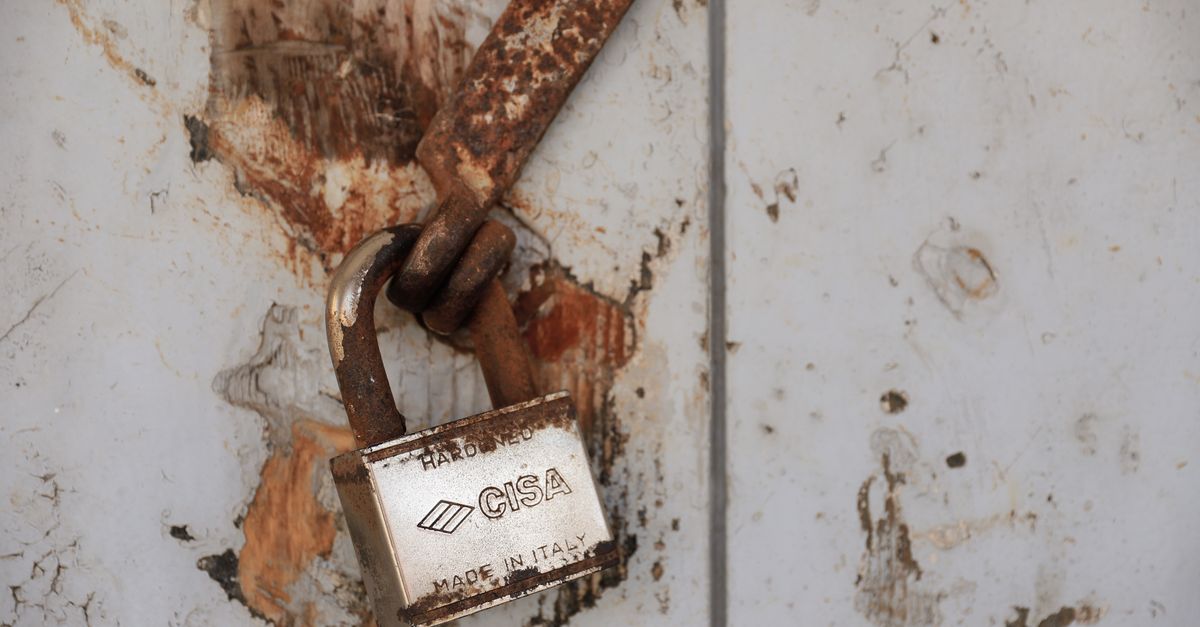
The most obvious signal is a knob that turns but does not retract the latch — often caused by a broken spindle or worn cam inside the lock body. Equally telling is a keyway that feels gritty, requires excessive force, or only works from one side. In older Guelph homes built along the Edinburgh Road corridor, it is also common to find original knob locks that were never designed to handle decades of Canadian winters; the internal springs fatigue, the brass wears thin, and the tolerances open up until the lock no longer secures the door reliably. Corrosion on exterior hardware accelerates this process, particularly on doors that face prevailing westerly winds without an overhang for protection.
A seized knob lock is not simply an inconvenience — it is a security gap. If a latch does not fully extend or a knob rotates freely without engaging the mechanism, the door can often be pushed open without a key. Before that point arrives, a trained technician can assess whether a targeted repair (replacing just the spindle or the cylinder) is sufficient, or whether a full replacement is the smarter investment. We will always explain your options and confirm an exact up-front price before touching anything.