
Why Ignition Cylinders Fail — and Why It Matters in Guelph Winters
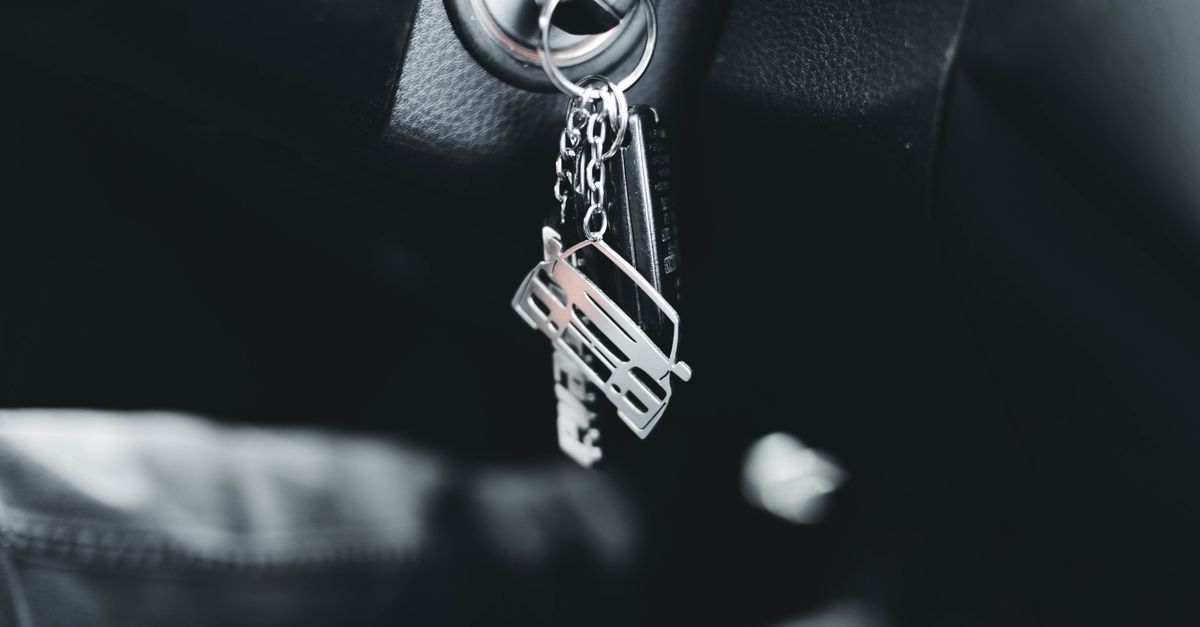
Guelph's freeze-thaw cycles are harsh on vehicle lock mechanisms. Moisture works its way into the ignition cylinder during warmer days and expands as temperatures drop below zero, accelerating wear on the internal wafers and spring-loaded pins that read your key's cuts. Add years of key-ring torque — most drivers hang fobs, loyalty cards, and USB drives from the ignition — and those internal components begin to round off. The result is a cylinder that feels gritty, a key that only turns with awkward pressure, or in advanced cases, a key that simply will not move at all. Ignoring early warning signs almost always turns a straightforward repair into a full cylinder replacement.
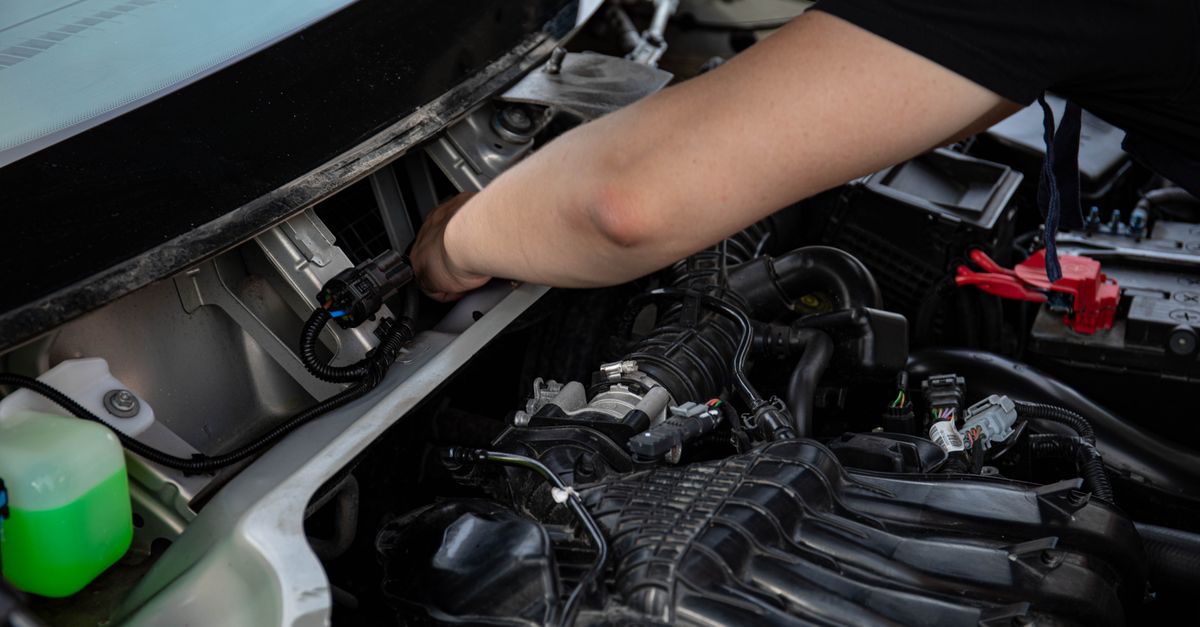
The mechanical relationship between the ignition cylinder and the rest of the starting system is also worth understanding. The cylinder's rear cam engages the ignition switch, which triggers the starter motor and electrical accessories. When a worn cylinder slips or fails to reach the correct rotational position, you may experience intermittent no-start conditions, accessories that activate in the wrong sequence, or a steering column that locks at the worst possible moment. These symptoms are frequently misread as electrical faults, leading to expensive and unnecessary diagnostic detours. A thorough assessment by a skilled locksmith — one who understands both the mechanical and functional sides of the cylinder — can identify the real source of the problem quickly.