Car Key Replacement by Vehicle Brand — What Makes Each One Different
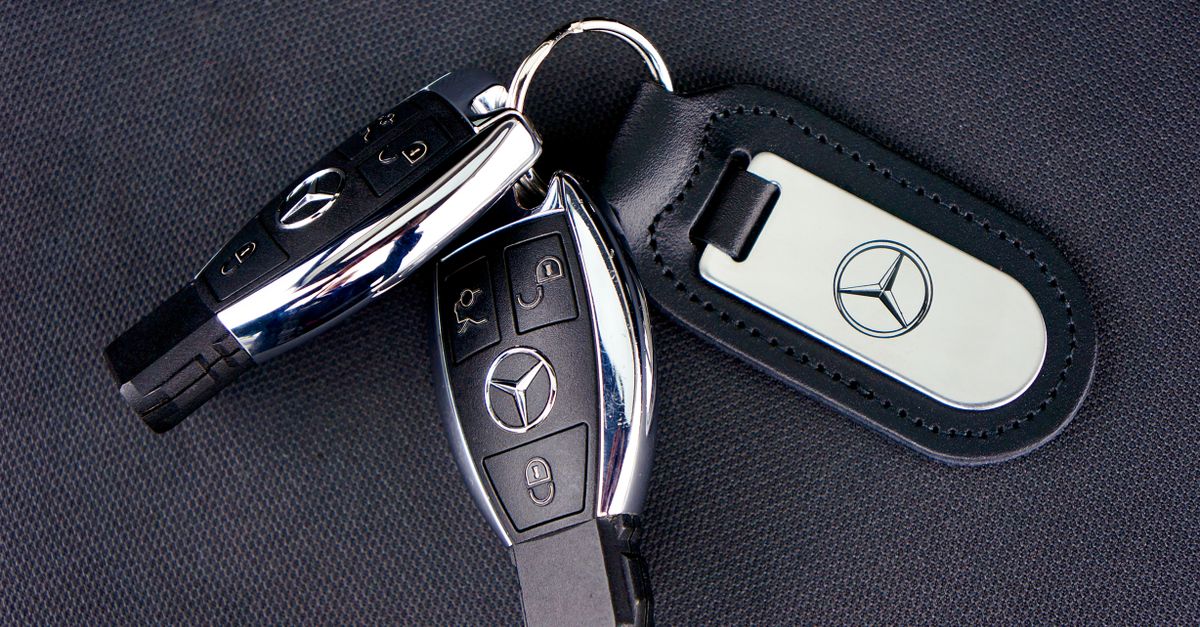
Not all replacement keys are created equal, and the process varies significantly depending on your vehicle's make and model year. Ford and GM vehicles manufactured after 2010 typically use PATS or PassLock transponder systems that must be programmed with a scan tool before the key will communicate with the ignition. Toyota and Lexus models, especially those with Smart Key proximity systems, require both key cutting on a laser-trace machine and a two-phase programming sequence that reads the vehicle's immobilizer module. Honda and Acura keys from 2013 onward often use an Ultra Remote Integrated Key that combines a laser-cut blade with a built-in fob — losing one means replacing a unit that must be cloned or fresh-programmed to the vehicle's ECU. German brands like BMW and Mercedes-Benz use encrypted transponder technology with rolling security codes, so replacement requires OEM-grade programming software; our technicians carry the equipment to handle this on-site rather than sending you to a dealership. Subaru, Hyundai, Kia, and Chrysler platforms each carry their own immobilizer logic, and our team stays current on all of them.
If you drive a heavy-duty pickup — a Ford F-Series, Ram, or Chevy Silverado — the key programming process is further complicated when the vehicle has an aftermarket remote start system installed, which adds a secondary immobilizer layer. Our technicians assess the full picture before beginning work, identifying every security layer so the replacement key functions with every system in your vehicle. When you call (548) 490-6124, we'll ask for your year, make, model, and VIN so we can confirm parts availability and arrive prepared — no second trips, no guesswork.